Traveling in North America can be a diverse and exciting experience, with its vast landscapes, rich history, and cultural diversity. The continent is home to some of the world’s most iconic landmarks, such as the Grand Canyon in the United States, Niagara Falls on the border between the United States and Canada, and the CN Tower in Canada. Visitors can also explore the rich history and culture of the continent through its museums, art galleries, and festivals, and enjoy the delicious North American cuisine, such as hamburgers, and pizza. North America also offers a wide range of adventure activities, such as skiing in Canada and the United States, hiking in the Rocky Mountains, and touring the pyramids in Mexico. However, visitors should be aware of the potential challenges of traveling in North America, such as safety concerns, language barriers, and the vast distances between destinations. It is important to research the specific countries and regions to be visited, and to take necessary precautions to ensure a safe and enjoyable trip. Shown below are the trips we’ve taken in North America.
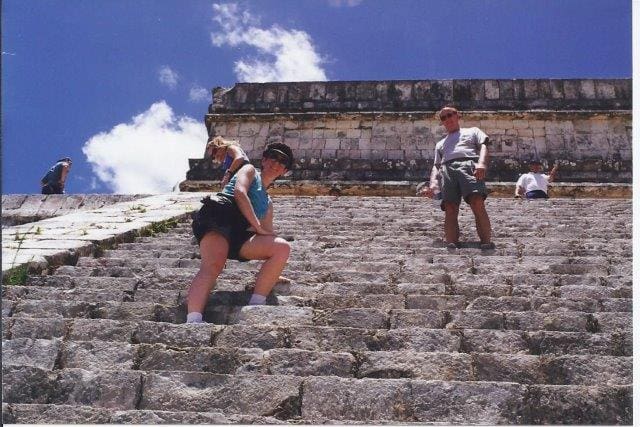
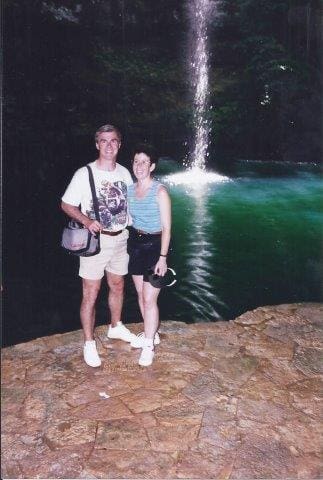
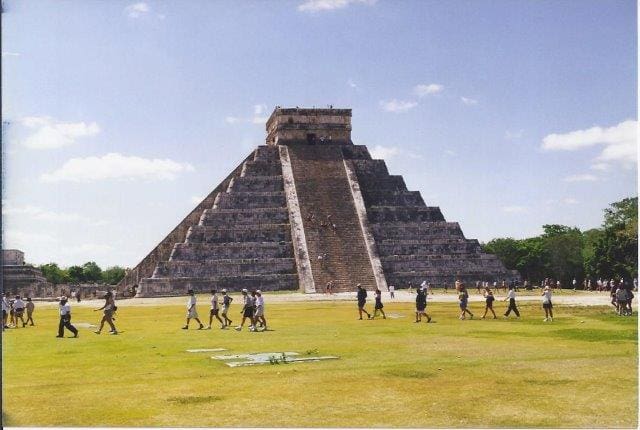
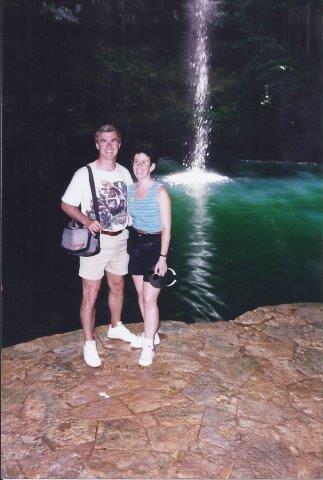
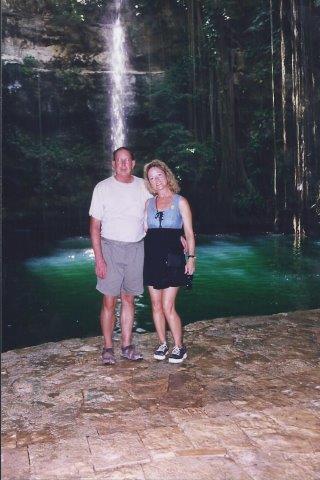
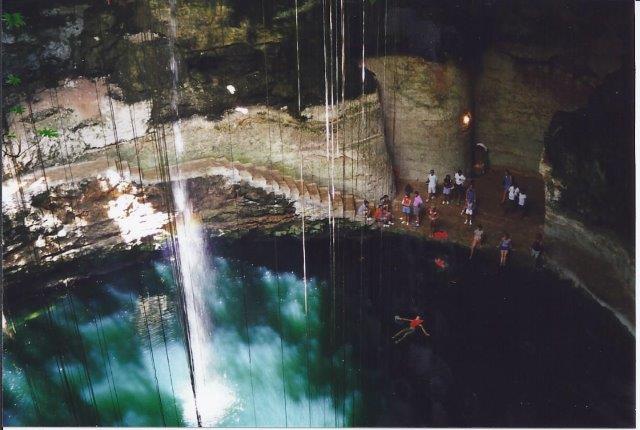
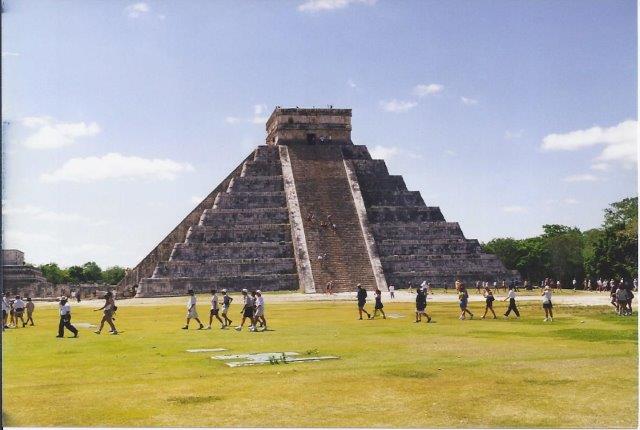
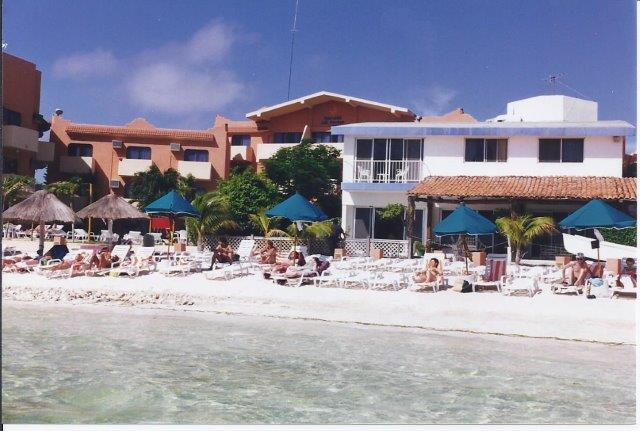
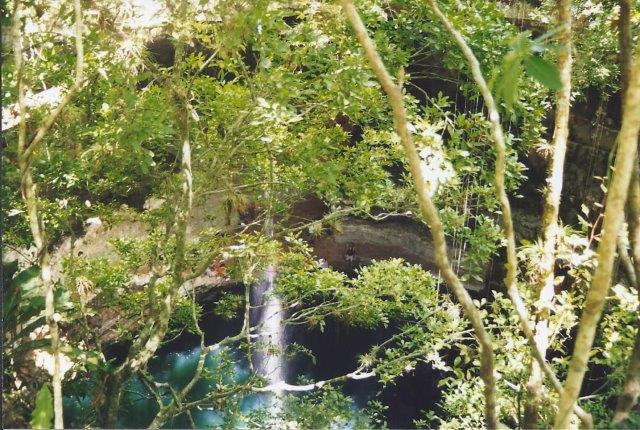
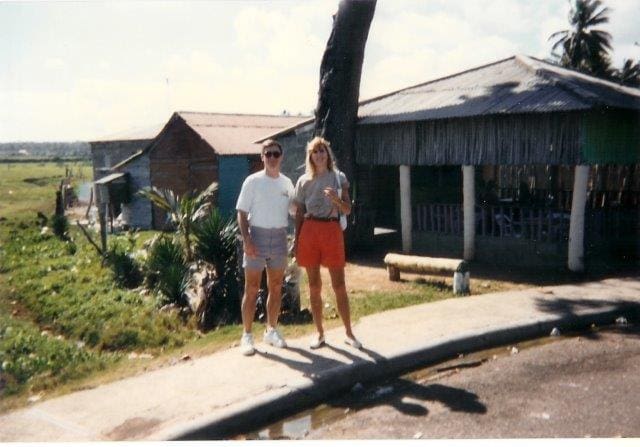
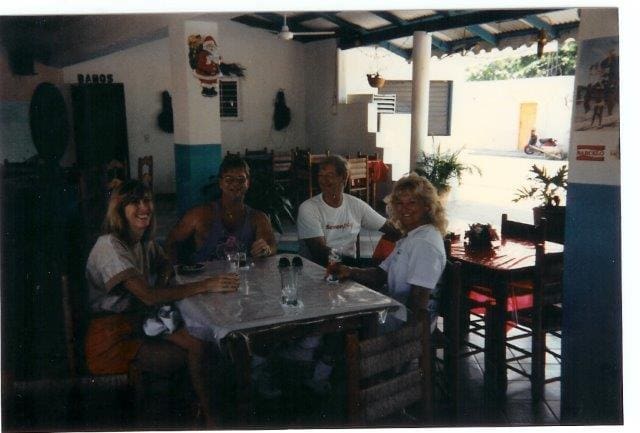
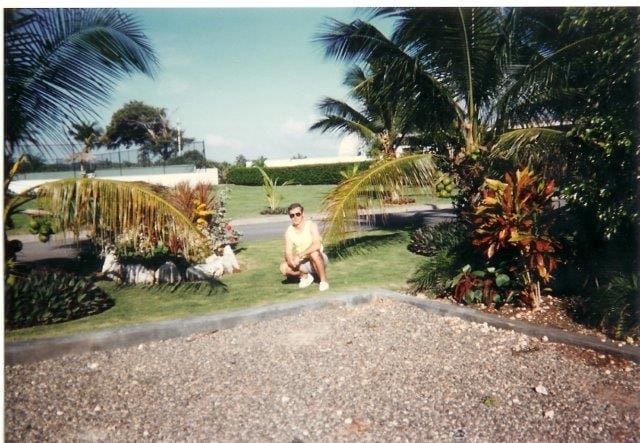
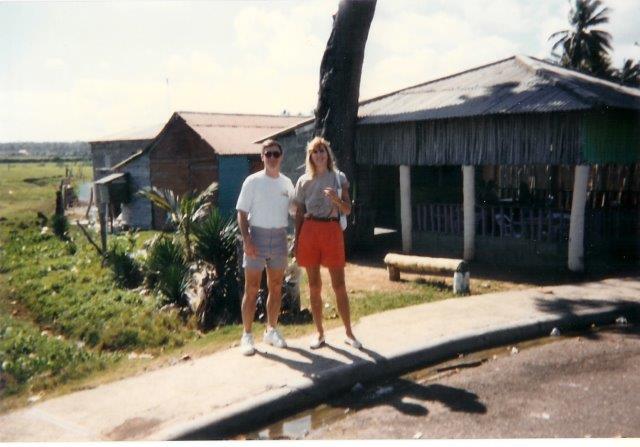
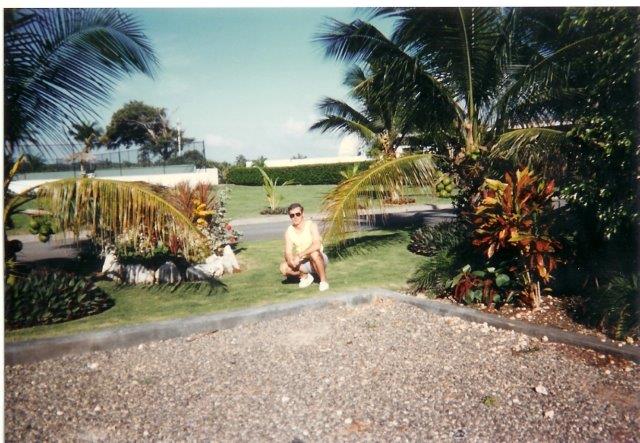
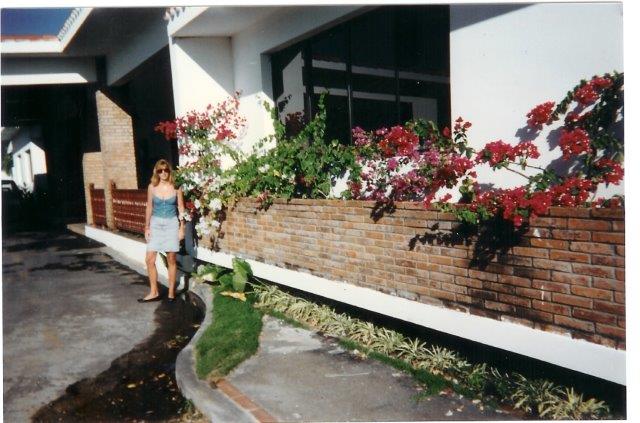
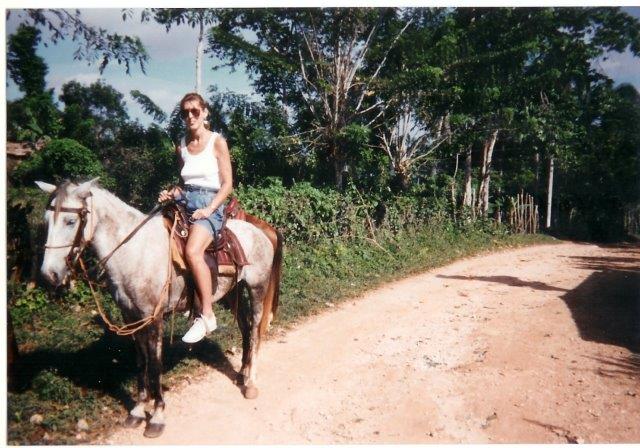
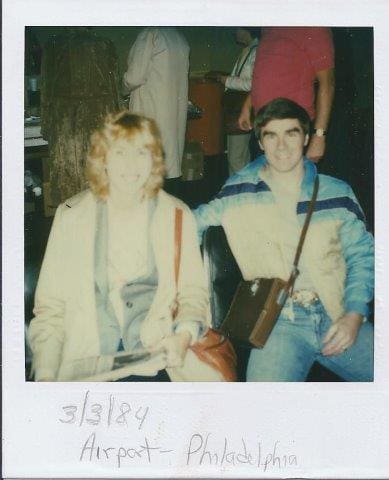
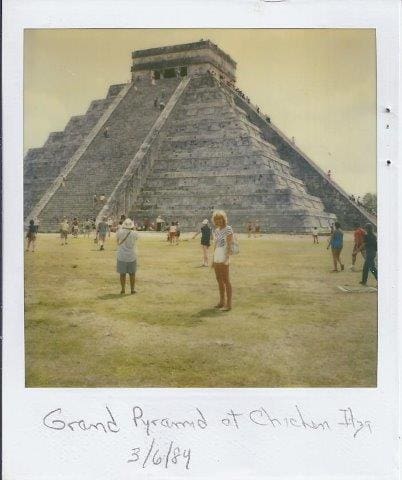
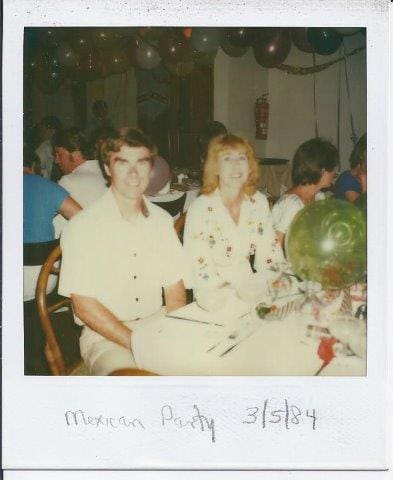
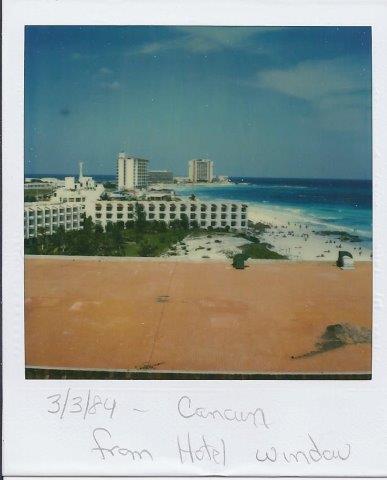
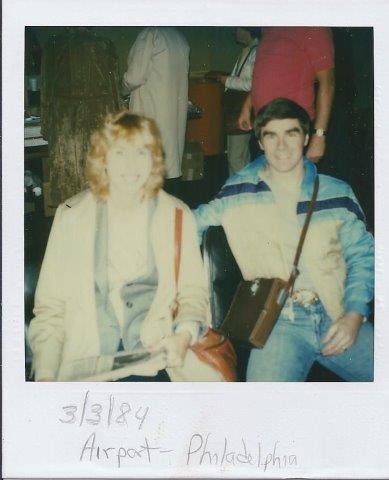
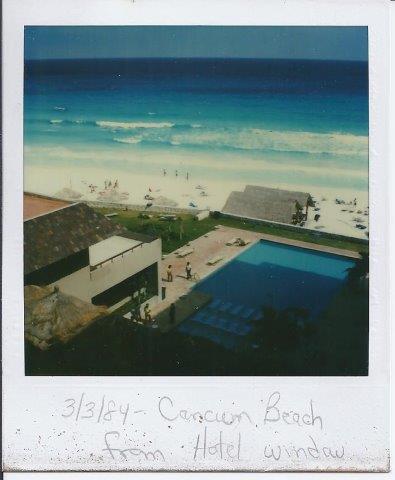
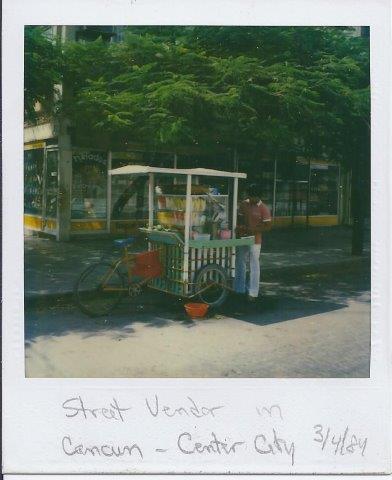
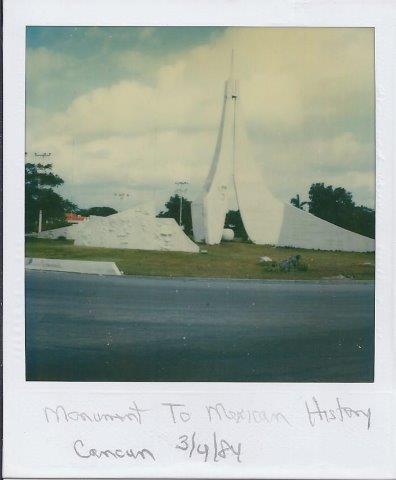
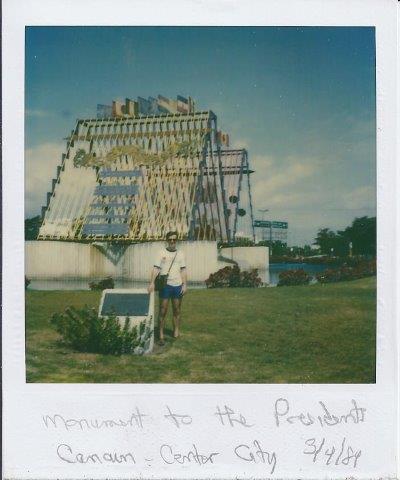
We took this trip as a courtesy from a guy names John Ross who we invested money with to teach us the business of Lease Purchase. The guy was not on the up & up, but we did learn the business and eventually, through tax rebates, got our money back. The trip was interesting and we had a chance to see some cave diving as well as visit Chichen Itza.
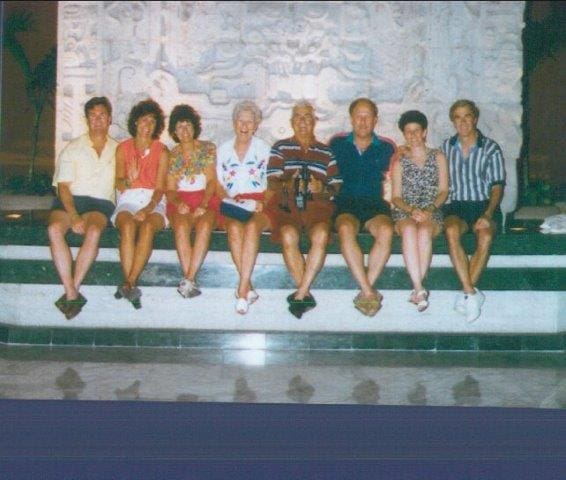
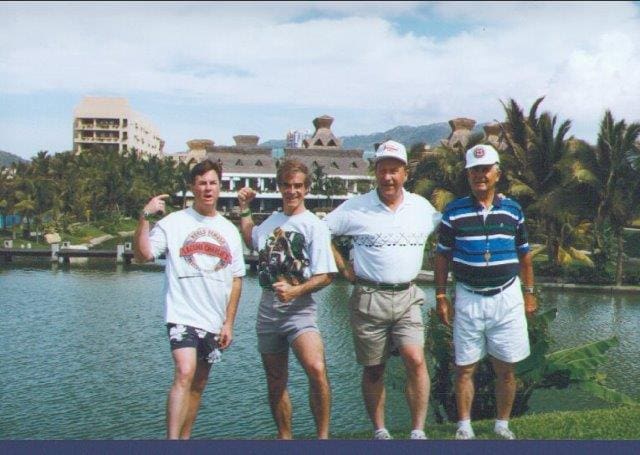
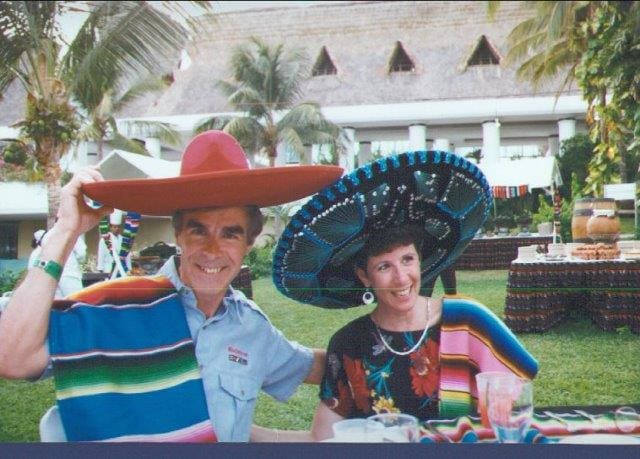
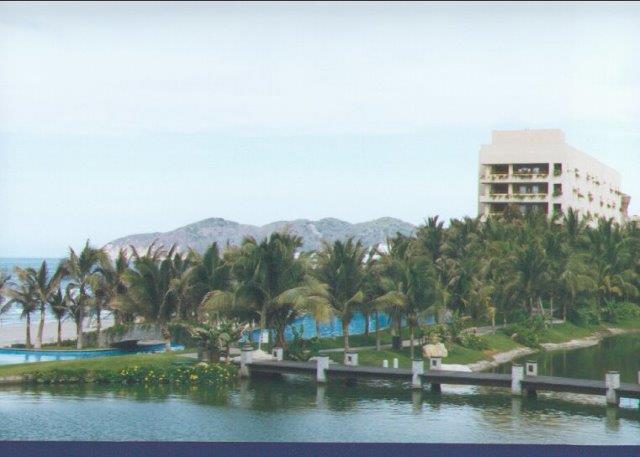
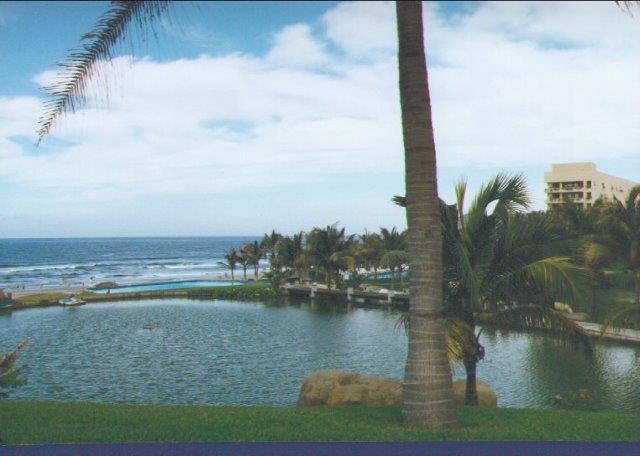
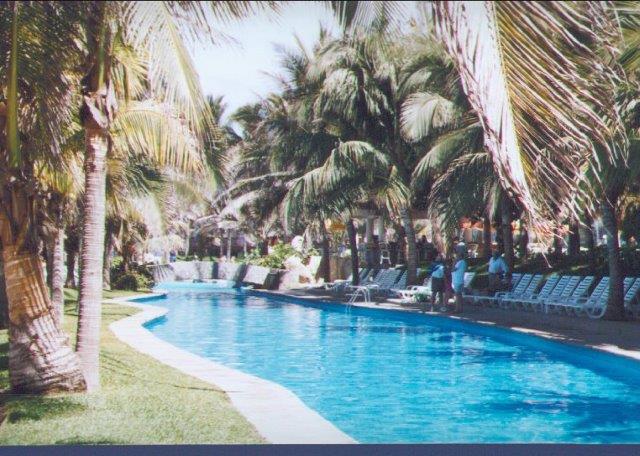
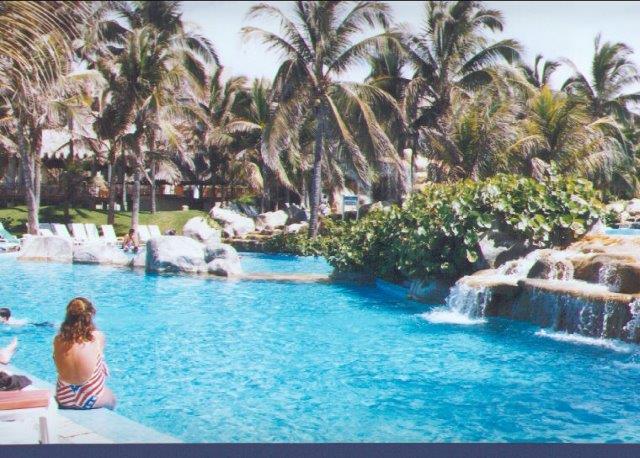
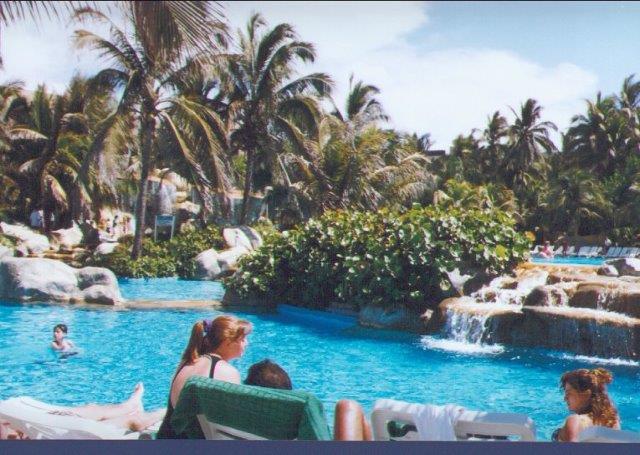
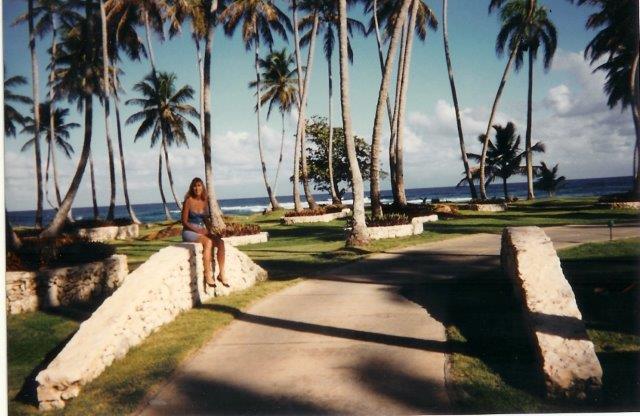
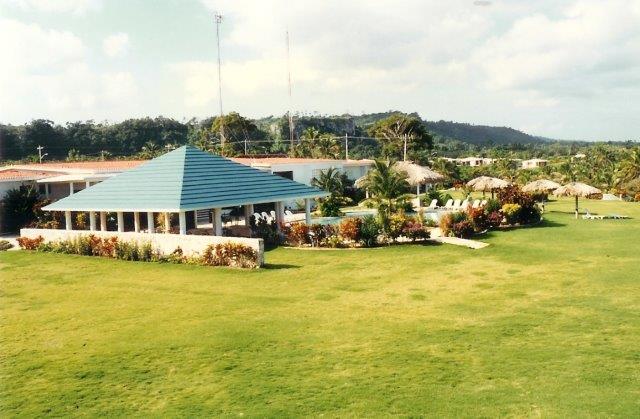
This was our first big trip together. We went to Acapulco to celebrate my parents 50th wedding anniversary, along with Carole & Dave and LuAnn & Tim. We had a great time – Donna’s first time to meet my family.
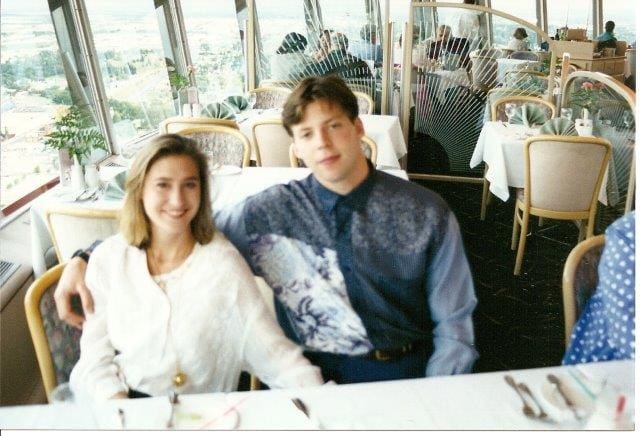
The was a trip we made to Calgary in Alberta, Canada to visit Kim & Wayne and to deliver Kim’s belongings to her. She moved to Calgary with Wayne during the summer of 1994 before her graduation from college at Hofstra University in New York.
Kim & Wayne – Newly weds
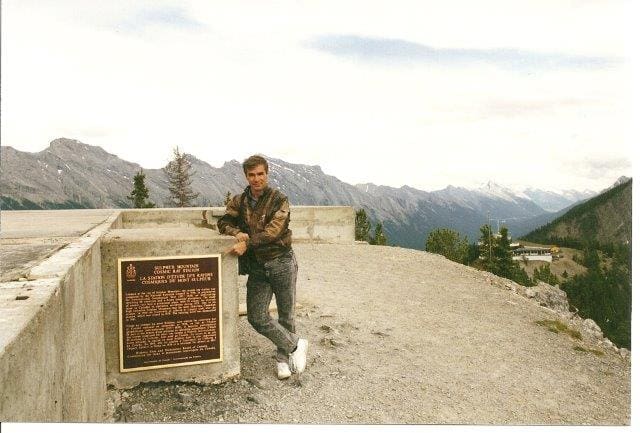
A view from the top of one of the Olympic ski slopes in Calgary
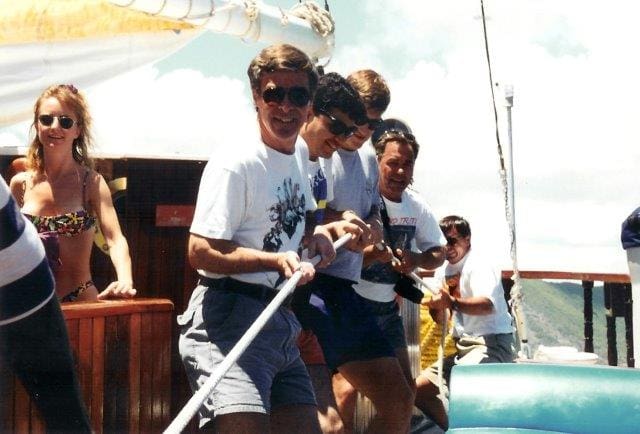
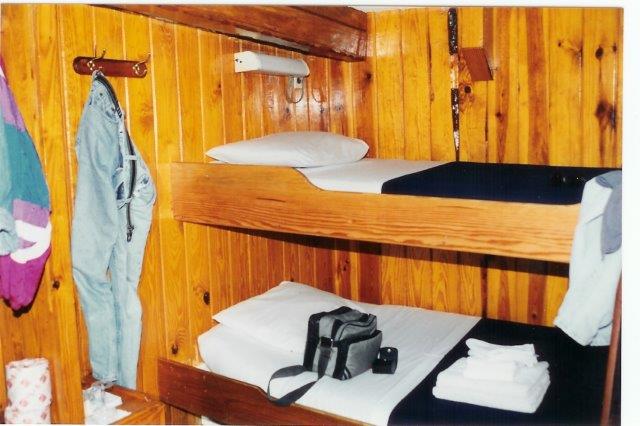
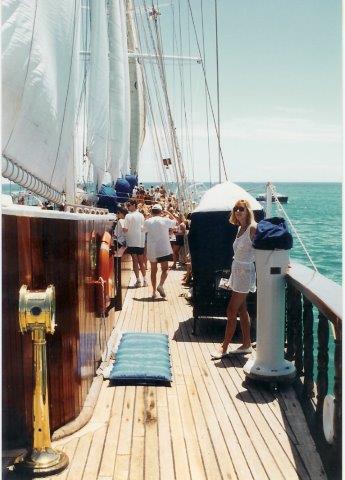
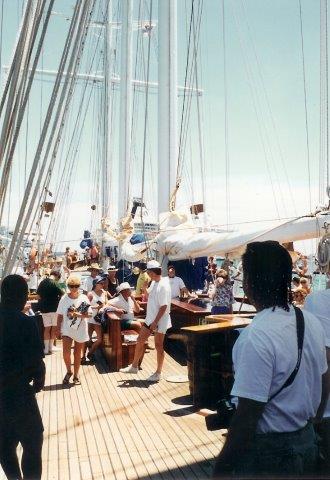
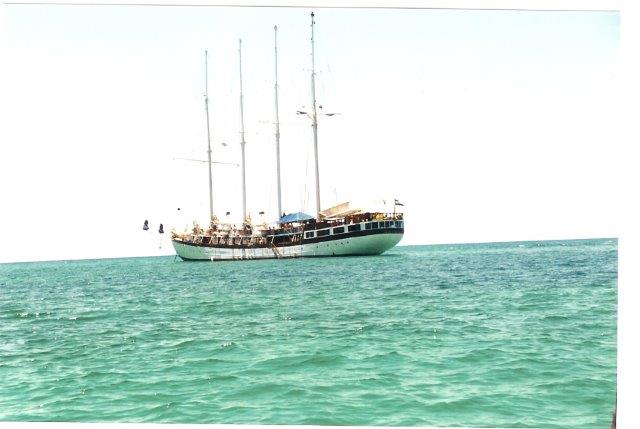
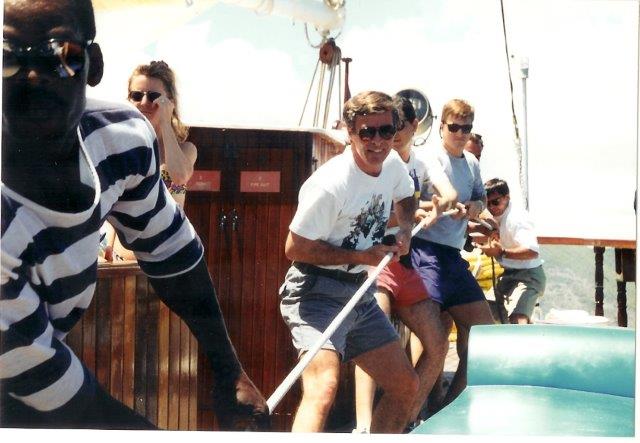
This was a Windjammer cruise in the Caribbean that Carol & I took for a new experience. A windjammer sailing cruise is a unique tall ship experience where the destinations are influenced by the winds and tides to provide theultimate relaxation and peacefulness on the water.
The trip to St. Martin began with very little warning. On Wednesday, I decided that Carol and I should take a few days away on the Caribbean island, and by Friday, May 25, we were on our way. The sudden departure was not part of our original travel plans—or even a carefully revised itinerary—but that spontaneity became part of the adventure. Sometimes a trip grows from months of preparation; this one began simply because an opportunity appeared and we took it.
We flew from Philadelphia to Miami and then continued to St. Maarten. The two flights consumed most of our first day, but after dinner that evening we still had enough energy to visit the Casino Royale. We quickly discovered that it was nothing like the casinos of Las Vegas. There were no major shows or well-known entertainers, possibly because May was outside the busiest tourist season. Even so, it gave us an early introduction to the livelier Dutch side of the island.
One Island, Two Distinct Personalities
St. Martin is one of the Caribbean’s most unusual islands because it is shared by two nations. The northern portion, Saint-Martin, is French, while the southern portion, Sint Maarten, is Dutch. Philipsburg is the capital of the Dutch side, and Marigot is the capital of the French side. The division dates to a 1648 agreement generally known as the Treaty of Concordia.
At the time of our 1990 visit, the French side was administered as part of Guadeloupe, while the Dutch side belonged to the Netherlands Antilles. Their political arrangements later changed: Saint-Martin became a French overseas collectivity in 2007, and Sint Maarten became a constituent country within the Kingdom of the Netherlands in 2010.
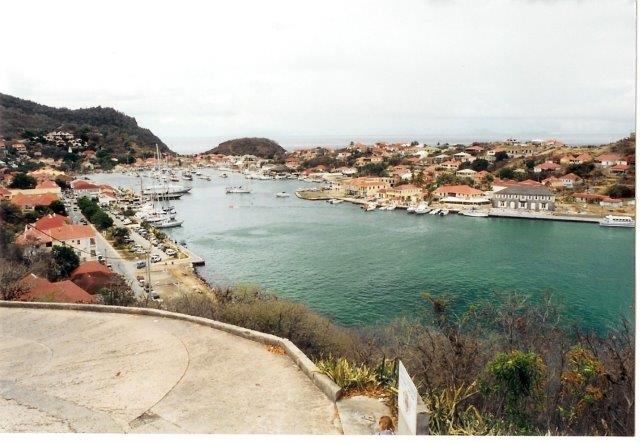
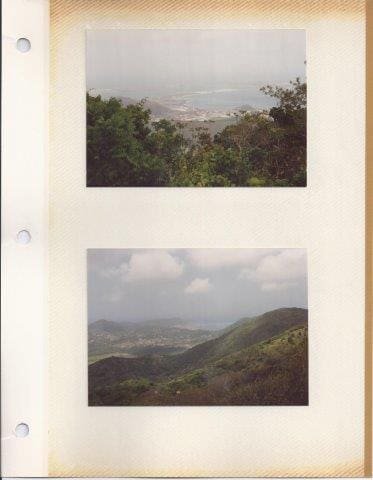
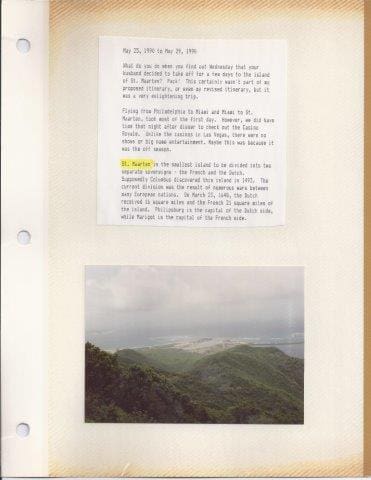
The photographs from the trip show how geography ties the two sides together despite their different national identities. From the island’s higher roads and overlooks, we could see green mountains falling toward sheltered bays, clusters of homes spread across the valleys and the brilliant Caribbean water surrounding everything. The island was small enough to explore by car, yet varied enough that the French and Dutch sections felt culturally distinct.
Exploring the Dutch Side
For the next three days, we rented a car and toured nearly the entire island. That gave us the freedom to stop at towns, forts, beaches and overlooks rather than seeing St. Martin only from our hotel. Driving also revealed how mountainous the island was. Many of our photographs were taken from elevated viewpoints looking across ridges, settlements and the sea, with neighboring islands visible in the distance.
Philipsburg was a quaint Dutch Caribbean town and the island’s principal cruise-ship port. Its two main commercial streets were Front Street, or Voorstraat, and Back Street, or Achterstraat, connected by a network of narrow alleys. The compact arrangement made the town pleasant to explore on foot and reflected the way commerce had developed between the waterfront and the streets behind it.
At Great Bay, we visited Fort Amsterdam and Fort Willem. Fort Amsterdam dated to the seventeenth century and occupied a strategic position above the bay. The fortifications were reminders that this beautiful island had once been contested by European powers seeking control of Caribbean trade and territory.
Our drives around the Dutch side carried us to several observation points with broad views toward St. Barts, St. Kitts and Anguilla. The photographs preserve some of those panoramas: mountain slopes in the foreground, towns and lagoons below and other islands faintly visible beyond the water. They help explain why we were willing to follow steep and sometimes rough roads in search of the next viewpoint.
Food was also part of our exploration. The West Indian Tavern introduced us to ornate Caribbean architecture decorated with gingerbread-style fretwork. It was also an excellent seafood restaurant, where we enjoyed lobster prepared Creole style. The setting joined two of the pleasures of travel—trying regional food and seeing how local history and climate had influenced architecture.
The French Side and Paradise Peak
We stayed at the Royal Beach Hotel on the French side, where the atmosphere differed noticeably from Dutch St. Maarten. Marigot offered French restaurants, shops and designer clothing, along with duty-free prices. Crossing from one side of the island to the other did not feel like passing through a heavily controlled international border, but the change in language, food, shopping and general character made the island’s dual identity easy to recognize.
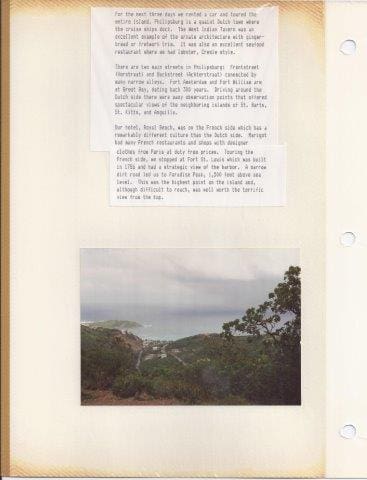
We stopped at Fort Louis above Marigot. Built in 1789 during the reign of Louis XVI, the fort guarded the harbor and the valuable goods stored in the town below. Its elevated location gave us another sweeping view across Marigot Bay and the surrounding coastline.
One of the most memorable drives took us along a narrow dirt road toward Paradise Peak, also known as Pic Paradis. At approximately 1,391 feet above sea level, it is the island’s highest point. The road was difficult, but the view justified the effort. From high on the mountain, we could look across much of St. Martin—its green interior, developed valleys, lagoons, bays and the Caribbean Sea beyond. The scrapbook photographs capture those high viewpoints, although no photograph could fully reproduce the sense of standing above nearly the entire island.
Beaches on Both Sides
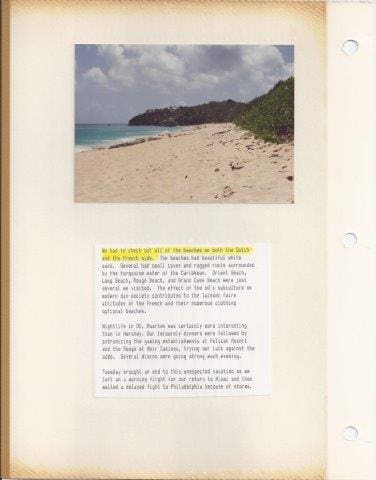
Naturally, we also felt obligated to inspect as many beaches as possible on both the Dutch and French sides. The beaches had soft white sand and turquoise water, with some tucked into small coves or bordered by rugged rocks. Orient Beach, Long Bay, Rouge Beach and Grand Case Beach were among those we visited.
The photographs show quiet stretches of sand, clear blue-green water and hills rising at the ends of the beaches. They preserve the St. Martin we encountered in 1990, when parts of the coastline still appeared relatively uncrowded and undeveloped. Each beach had its own shape and setting, which made driving from one to another feel like exploration rather than repetition.
The French side also reflected the lingering social changes of the 1960s in its more relaxed attitudes and numerous clothing-optional beaches. That was certainly different from everyday life in Hershey and added another cultural contrast to an already unusual island.
Evenings in St. Martin
Nightlife in St. Martin was considerably more active than nightlife back home. After leisurely dinners, we sometimes visited the gambling establishments at Pelican Resort or the Rouge et Noir Casino to try our luck. Several discos were also busy each evening. The combination of relaxed days, good meals and lively nights gave the short trip a satisfying rhythm.
Because the vacation lasted only a few days, renting the car proved to be one of our best decisions. It allowed us to experience far more than a single resort or beach. In a compact area, we encountered Dutch and French towns, colonial forts, Caribbean restaurants, mountain roads, panoramic overlooks, duty-free shops, quiet coves and active casinos.
Looking Back
On Tuesday, May 29, our unexpected vacation came to an end. We took a morning flight back to Miami and then waited through a storm delay before continuing to Philadelphia. It was a suitably unpredictable conclusion to a journey that had begun with almost no notice.
Looking back, what distinguishes this trip is not one dramatic attraction but the freedom with which we explored the island. Carol and I had only a few days, so we rented a car, drove both sides, climbed toward the highest viewpoints, sampled local restaurants, visited the forts and checked out one beach after another. The photographs of hills, bays, settlements and quiet sand help restore details that memory alone might have lost.
St. Martin showed us how much variety could exist within one small island. French and Dutch traditions shared the same landscape, while Caribbean culture connected both sides. The trip also demonstrated that not every worthwhile journey requires a long itinerary. Sometimes deciding on Wednesday and leaving on Friday can produce exactly the kind of adventure worth remembering.
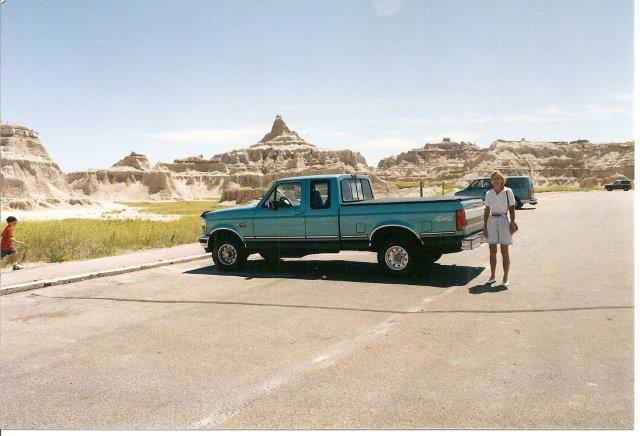
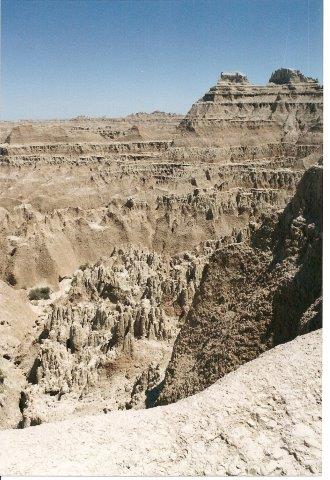
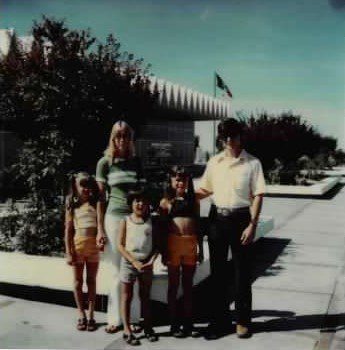
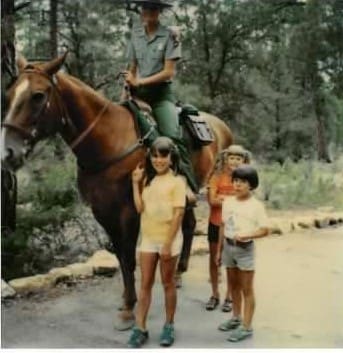
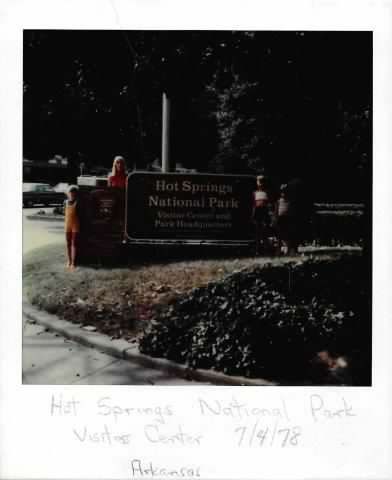
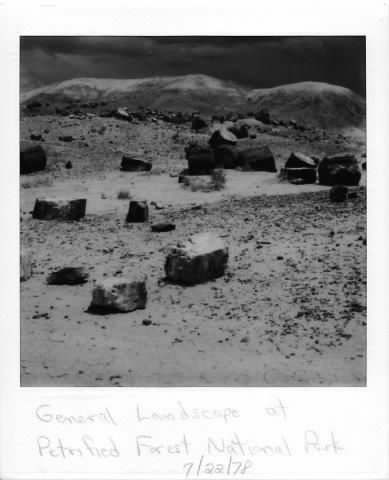
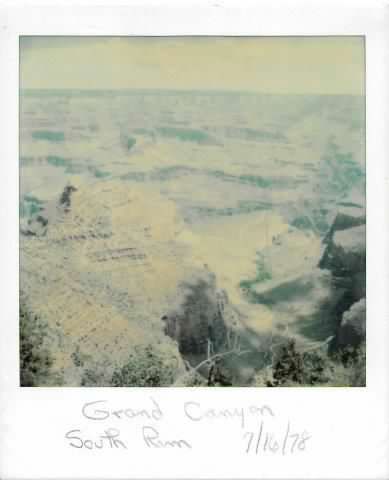
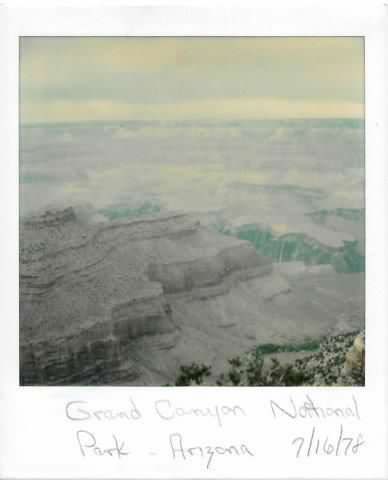
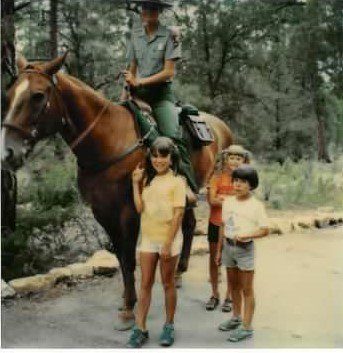
This was a family trip with the three kids. Carol & I drove from Hershey, Pa. to El Paso, TX, stopping to see various sites along the way. Upon arrival, we left the kids with my parents and flew to Acapulco. Upon our return we drove back to Hershey, by way of the Grand Canyon and the Petrified Forest National Parks.